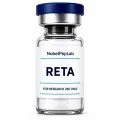
 RetatrutideMetabolic research
99.72%Purity (HPLC)
Latest third-party test10 mg · tested 16 Sep 2026

Shop by research area
 Metabolic & Weight Research11
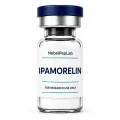 Growth Hormone & Endocrine9
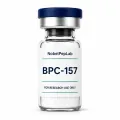 Repair, Recovery & Immune7
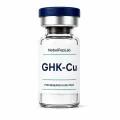 Skin, Hair & Cosmetic8
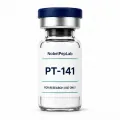 Cognitive, Mood & Neuro7
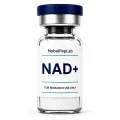 Cellular, Longevity & Mitochondrial5
 Lab Supplies1
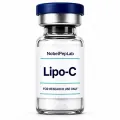 Vitamin & Amino Blends3
More
Quality & Certificates of Analysis
Every product below has a recent third-party lab test. The latest result is shown for each strength, and we send you the full report on WhatsApp before you order.
Results last updated
Tap a strength to see its latest result. Request COA opens WhatsApp with the product filled in.
RetatrutideMetabolic research
 TirzepatideMetabolic research
 CagrilintideMetabolic research
 MOTS-cMetabolic research
 5-Amino-1MQMetabolic research
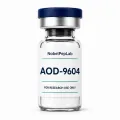 AOD-9604Metabolic research
 NAD+Longevity research
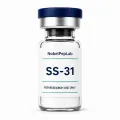 SS-31Longevity research
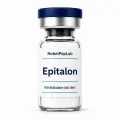 EpitalonLongevity research
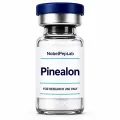 PinealonLongevity research
 BPC-157Repair research
 TB-500Repair research
 Wolverine BlendRepair research
 GLOWRepair research
 KLOWRepair research
 KPVRepair research
 Thymosin Alpha-1Repair research
 TesamorelinGrowth hormone research
 IpamorelinGrowth hormone research
 CJC-1295 + IpamorelinGrowth hormone research
 IGF-1 LR3Growth hormone research
 Kisspeptin-10Growth hormone research
 SelankCognitive research
 SemaxCognitive research
 DSIPCognitive research
 OxytocinCognitive research
 GHK-CuSkin research
 SNAP-8Skin research
 PT-141Skin research
Results are from the latest third-party test of each product and strength, at 99% purity or above. Not listed? Ask us on WhatsApp.
Our Process
Each batch is sent to an independent third-party laboratory for analysis before it reaches us.
We check every COA against the product, strength and batch number before it is listed, inspect every delivery, and send samples from selected batches to an independent lab for our own testing.
We send the batch-specific COA free on request, with purity by HPLC, identity by mass spectrometry and net peptide content.
Third-Party Testing
The labs that test our peptides are independent of us and of the manufacturer. They receive a sealed sample, measure it on their own equipment and issue the report under their own letterhead and signature.
The share of the sample that is the named peptide. Every result on this page is 99% or higher.
Confirms the molecule in the vial is the one on the label, by its molecular weight.
How much peptide the vial holds, measured against the labelled strength.
Understanding COAs
A Certificate of Analysis is the document that proves a peptide matches its label claim. It is generated by the testing laboratory, not the supplier, and tied to one specific production batch. Unfamiliar terms are defined in our peptide glossary, and what research grade actually means explains why a purity figure is not the same as peptide content. A COA from our testing partners reports the following data points:
High-Performance Liquid Chromatography separates the compound from any impurities and quantifies the percentage purity. The chromatogram shows a clean primary peak with the purity value listed beside it. Batches are specified at 99%+ purity by HPLC; the exact figure for your batch is on its COA.
MS confirms the molecular identity of the peptide by measuring its molecular weight to several decimal places and matching it against the theoretical value for the labelled sequence. This is the proof that the vial contains what the label says it contains. Our third-party reports include it alongside the HPLC purity result.
A unique batch or lot number ties the COA to one specific production run. If the number on the document does not match the number printed on the vial label, the COA is not valid for that product, regardless of how impressive the results look.
The date the sample was analysed. A current batch should have a recent test date. A COA dated years before the production run is a strong signal that the document has been recycled from an older batch rather than generated for the product in hand.
The compound name, expected molecular formula, and theoretical molecular weight are listed at the top of the document. The sample reference number links the analysed sample back to the submission record at the testing laboratory.
A legitimate COA carries the analytical laboratory's letterhead, contact details, and the name or signature of the analyst responsible for the testing. Every report we send follows this convention.
At a glance
Six checks, each against something outside the document. A COA that cannot be reconciled with the vial in your hand is not evidence, however well produced it looks.
| What to look for | Check it against | What it proves |
|---|---|---|
| HPLC chromatogram | A clean primary peak with the purity value beside it — not a number quoted on its own | Separates the compound from its impurities and quantifies purity as a percentage |
| Mass spectrometry | The theoretical molecular weight for the labelled sequence | Confirms molecular identity by measuring molecular weight to several decimal places |
| Batch or lot reference | The batch number printed on the vial label. If they differ, the COA is not valid for that product | Ties the certificate to one specific production run |
| Test date | The production run. A date years earlier suggests a recycled document | Shows when the sample was analysed |
| Compound and sample identification | The submission record at the testing laboratory, via the sample reference number | States compound name, expected molecular formula and theoretical molecular weight |
| Letterhead and signature | The laboratory's own contact details and the named analyst responsible | Shows the report came from the laboratory rather than the supplier |
Ask us for the COA of the lot currently in stock before you order. We will send it.
This page covers the fundamentals. Our Peptide Sourcing & Verification Guide goes the rest of the way. Two chapters are dedicated specifically to COA analysis and the documentation tricks unreliable suppliers use to mask quality problems.
How to interpret an HPLC chromatogram
Reading peaks, retention times, and what a clean run actually looks like versus a contaminated one.
14 documented red flags in fake COAs
Recycled documents, edited PDFs, mismatched analyst signatures, and the wording patterns that give a fabricated report away.
How to cross-check a COA with the testing laboratory
The exact email template to send the testing laboratory to confirm a report is authentic, and what their response will look like.
A verified supplier directory
Direct contacts for suppliers that have passed full COA verification, plus pricing and response time notes.
HPLC and Mass Spectrometry results explained line by line. What 98% purity actually means versus 99%. How to cross-check a COA against independent testing databases.
14 specific warning signs documented from real failed supplier evaluations. Recycled COAs, edited test dates, mismatched batch numbers, suspiciously perfect results.
A single mistake on a 10-vial box can cost $295–510. The guide is £29.99, instant PDF download, yours to keep.
The document that shows a peptide matches its label claim. It is produced by the testing laboratory, not the supplier, and tied to one specific production batch.
Independent third-party analytical laboratories, not us and not the manufacturer. Each test reports purity by HPLC, confirms identity by mass spectrometry and measures the net peptide content.
Yes. Every order has a batch-specific COA documenting the peptide’s identity and purity, sent free on request before you pay.
99%+ by HPLC. The chromatogram on the COA shows the primary peak with the purity value beside it.
Match the batch or lot number on the certificate to the one printed on the vial label. If they differ, the COA is not valid for that product, however good the results look.
Yes. Ask us on WhatsApp for the COA of the lot currently in stock before you order, and we will send it.
Want to see a COA for a specific peptide before ordering? Message us on WhatsApp.